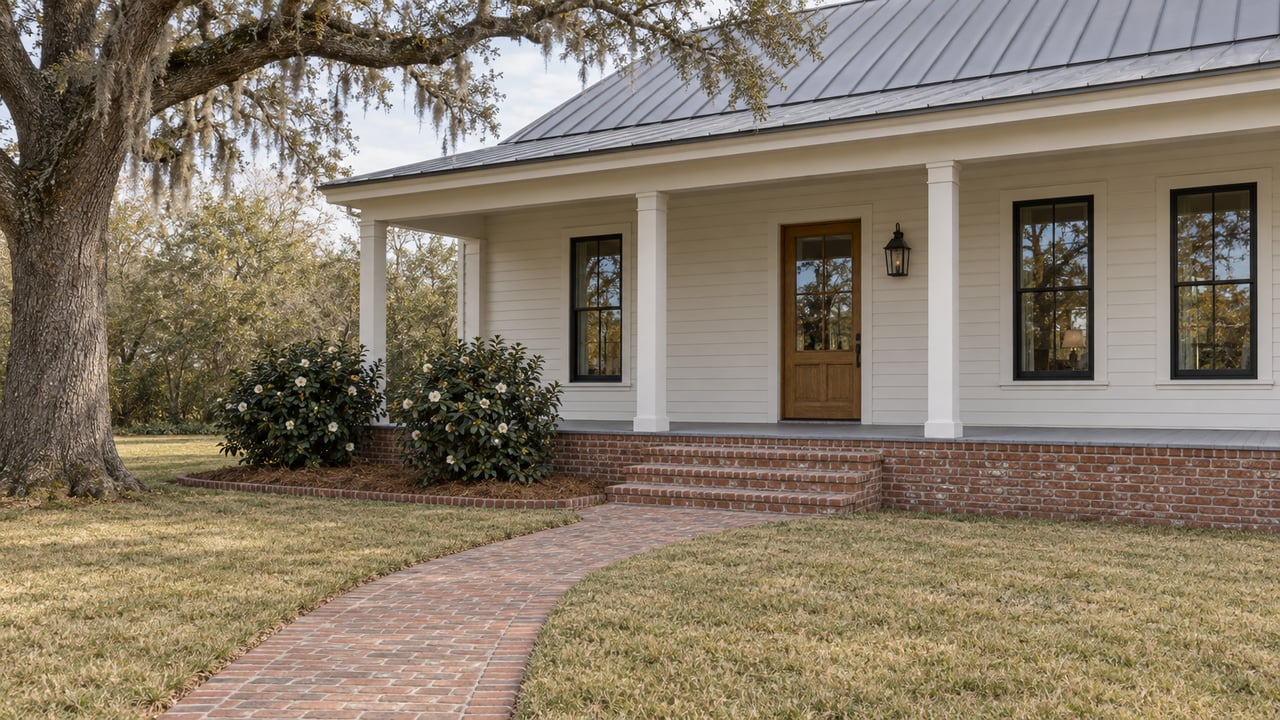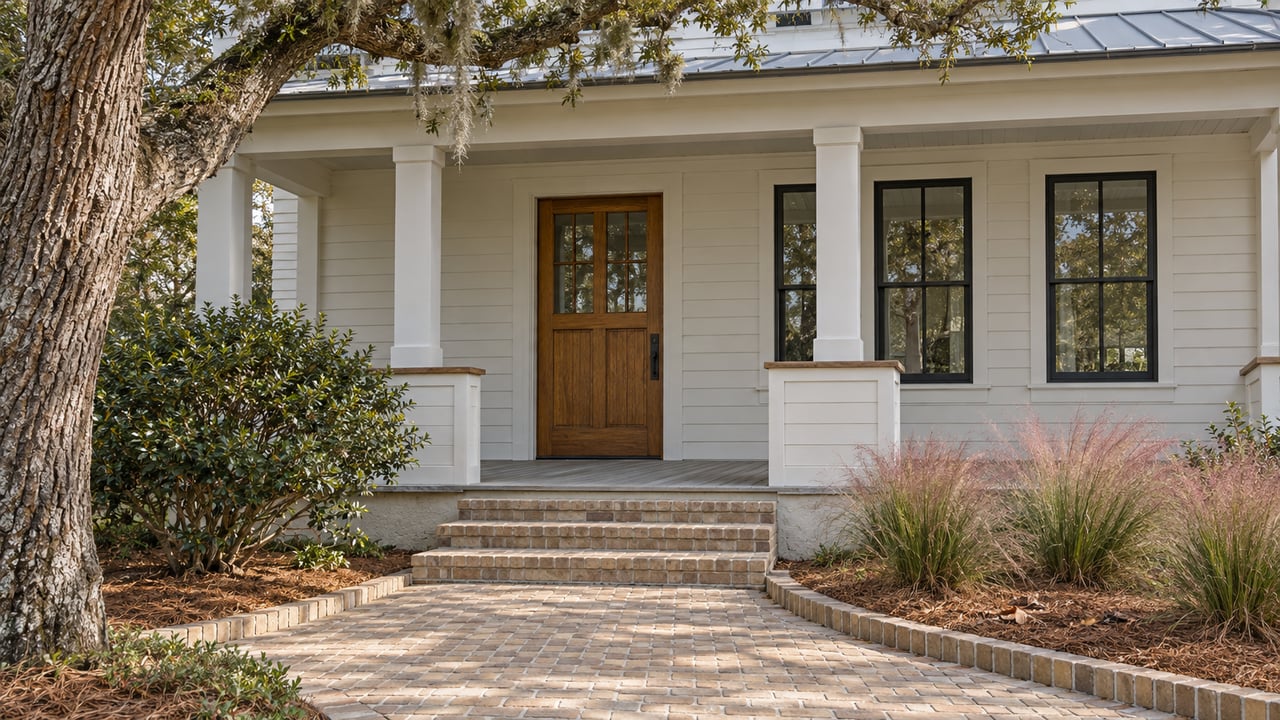
"By 2020, more than $6 million in investment in the town, along with other public funding sources, had helped spur more than $70 million in private investment in Old Town."
That's not a developer's pitch. It's language from the Town of Bluffton's own review of its 2006 Old Town Master Plan, as quoted by Yahoo News, and it's the number that explains something buyers routinely get wrong about this neighborhood. The walkability, the parks, the restored cottages, the reason a lot on Calhoun Street costs what it costs: none of it happened because the market discovered Old Town on its own. A town-commissioned planning document engineered it, on purpose, with public money as the trigger.
That document is now twenty years old, and the Town of Bluffton is writing its replacement. A public input meeting is scheduled for Tuesday, October 6, and the plan that comes out of this process, expected to wrap by mid-2027, will govern what a property in the historic district can become for the next decade. If you're comparing Old Town Bluffton against newer corridors like Buckwalter or New Riverside, this is the detail that actually matters, more than square footage or proximity to the May River.
Understanding the Certificate of Appropriateness
For buyers, it helps to understand the review process before planning work: any new construction, addition, renovation affecting a building's exterior or site, or demolition inside the Old Town Bluffton Historic District requires a Certificate of Appropriateness. This isn't a formality you sign at the counter. It's a review by the town's Historic Preservation Commission, and it applies inside five separate zoning sub-districts that carve up Old Town by street character, each with its own design standards under Article 5 of the town's Unified Development Ordinance.
The district earned National Register Historic District status in 1996 and now counts more than 80 Contributing Historic Structures. If the home you're buying is individually listed on the National Register, or listed as a Contributing structure in that 1996 nomination, it's considered a certified historic structure, which can open the door to federal and state historic tax credit programs, as the Bluffton Chamber of Commerce explains. Whether a specific renovation qualifies, and what it's actually worth, is a conversation for a tax professional and the South Carolina State Historic Preservation Office, not something to assume from a listing sheet.
What buyers should take from this isn't caution. It's sequencing. Before you fall for a porch that needs rebuilding or a kitchen that needs opening up, find out which of the five sub-districts the property sits in and what the Historic Preservation Commission has approved on that street recently. The rules aren't hidden. They're just easy to skip past when you're touring a house instead of reading an ordinance.
What $6 Million Actually Bought
The 2006 plan came out of a seven-day design charrette that pulled in more than 300 community members and was guided by the national planning firm Dover, Kohl & Partners. It wasn't a vision statement. It set 12 major initiatives and 34 specific goals, and, as reported by Yahoo News, the town's own 2020 review found that most of them got built.
| 2006 Goal | What Was Delivered by 2020 |
|---|---|
| Regulatory framework for infill | Form-based code adopted in 2007; Unified Development Code adopted in 2011 |
| More public river access | Wright Family Park, purchased in 2017 for $1.5 million and opened in December 2020, added a dock and public frontage on the May River |
| New green space | Seven parks developed or redeveloped across the district |
| Historic preservation | Restoration of landmark structures including the Garvin-Garvey House |
| Affordable housing | Six affordable, energy-efficient homes built through the Wharf Street Redevelopment Project |
| Commercial and residential growth | Roughly 100,000 square feet of new commercial space and about 110 residential permits |
That last row is the one worth sitting with. A neighborhood doesn't add 100,000 square feet of commercial space and 110 residential permits by accident, and it doesn't do it while somehow becoming more charming instead of less. The form-based code is the mechanism. It told builders exactly what a new structure had to look like and where it had to sit on the lot before a single permit was filed, which is why infill in Old Town reads as continuous with the 1852 street grid instead of competing with it.
By the time of that 2020 review, Old Town was drawing more than 100,000 visitors a year. The premium buyers pay to be inside this district isn't nostalgia pricing. It's the market's response to a regulatory bet that paid off.
The Charrette Nobody's Heard of Yet
The town is running the same play again, and most people shopping Old Town right now don't know it's happening.
- What: 2027 Old Town Master Plan public input meeting
- When: Tuesday, October 6, 2026, 5:30 to 7:30 p.m.
- Where: Rotary Community Center, 11 Recreation Court, Bluffton, SC 29910
- Can't attend? Email comments to Principal Planner Charlotte Moore at [email protected]
- Timeline: Final plan expected by mid-2027
The town's stated reason for the rewrite is candid: Old Town has become desirable enough that the same growth the 2006 plan was designed to invite now risks eroding the natural, historic, and eclectic qualities that made it desirable in the first place. That's not a hypothetical tension. It's the exact question the next master plan has to answer, and the answer will show up in the zoning sub-district maps, the design standards, and the Certificate of Appropriateness criteria that apply to whatever property you're considering.
How the New Plan Could Affect Buyers
Compare this to what's happening elsewhere in Bluffton right now. The commercial growth along Buckwalter Towne Boulevard and New Riverside is happening under standard planning review, not a historic district overlay, which means it moves faster and carries fewer design constraints on individual owners. Old Town moves slower by design, and that slowness is precisely what a $70 million private investment response was betting on.
A buyer choosing Old Town today isn't just buying a location. They're buying into a jurisdiction that is actively deciding, over the next several months, how strict or how flexible that slowness will be for the next ten years. If you're planning to renovate, add on, or eventually sell a property that needs work, the version of the plan that comes out of this process determines what's actually possible, so it's worth reviewing the applicable standards and recent approvals before making plans.
That cuts both ways for buyers. Tighter design standards in the new plan could mean more certainty and continued price support for existing Contributing Structures. Looser standards aimed at accommodating more infill could open opportunities for renovation projects that wouldn't clear review under today's rules. Nobody outside the Historic Preservation Commission's working group knows which direction this goes yet, which is exactly why attending or submitting comment before the plan locks in matters more for a prospective Old Town buyer than it does for someone who already owns there.
What Buyers Ask Before They Sign
Does the Certificate of Appropriateness apply to interior work? The requirement is tied to new construction, additions, site work, demolition, and exterior alterations reviewed under the Historic Preservation Commission's process. For interior-only renovations, confirm the requirements with the town's Growth Management Department before you budget the work.
Can someone who doesn't own property yet weigh in on the 2027 plan? Yes. The town's public meeting and the email line to Principal Planner Charlotte Moore are open to residents, business owners, and anyone who cares about Old Town's future, which the town's own materials specifically invite.
Are all Old Town properties eligible for historic tax credit programs? No. Eligibility depends on whether the specific structure is individually listed on the National Register or documented as a Contributing structure in the 1996 nomination. That status should be confirmed property by property, and any tax credit question should go to a qualified tax professional alongside the State Historic Preservation Office, not assumed from a home's age or appearance.
If you're weighing a purchase inside the Old Town Bluffton Historic District and want to understand what the 2027 plan could mean for a specific property before you write an offer, I'd rather walk you through the zoning sub-district maps and recent Certificate of Appropriateness decisions now than have you discover the answer mid-renovation. Reach out through Live in the Lowcountry and join the VIP list to get ahead of what this plan changes.
This article is general information, not legal, tax or financial advice. Consult a qualified professional about your situation.