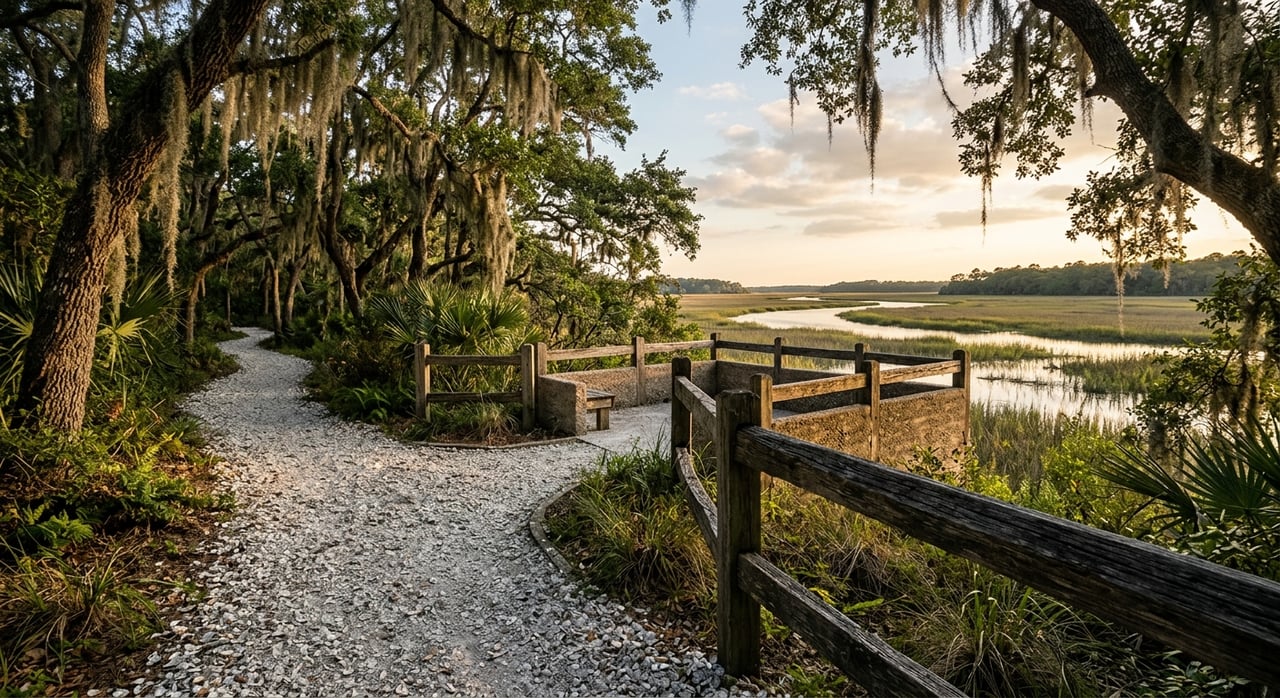
What would your perfect Lowcountry day look like if you had the keys to Hilton Head Plantation? Maybe a sunrise stroll along the sound, a lazy afternoon by the pool, then a sunset cruise on Skull Creek. If you are curious about everyday life inside the gates, this guide walks you through a day-in-the-life with practical tips on amenities, trails and tides. Let’s dive in.
Hilton Head Plantation at a glance
Hilton Head Plantation (HHP) spans about 4,000 acres on the Island’s north end with roughly 4,300 homes, set between the Intracoastal Waterway and Port Royal Sound. You have leisure paths, shoreline access, golf corridors and social hubs woven throughout the community. For a concise overview, the Property Owners’ Association (POA) shares key stats in the official HHP fact sheet.
Within the gates, POA Security manages access and daily operations, and approximately 12,000 vehicles pass through each day. Rules for decals, guest passes and facility use are published by the POA; check the POA FAQs and community guides for the latest details.
HHP’s outdoor network includes about 10 miles of multi‑use leisure paths, the 0.9‑mile Bluff Walk along Port Royal Sound, plus roughly two miles of walking beach near Dolphin Head and Pine Island. Four golf courses, 12 Har‑Tru tennis courts, pools, and renovated recreation areas round out the core amenities.
Morning: Bluff Walk and shoreline
Start with a sunrise walk on the Bluff Walk. This soundfront path offers wide sky, soft light on the marsh and the chance to spot dolphins in Port Royal Sound. At low tide, you may see more exposed marsh and shell beds, while high tide brings the water line close to the path.
If you prefer sand underfoot, the Pine Island and Dolphin Head area offers about two miles of walking beach inside HHP. Tidal range is significant on Hilton Head, so the look and feel of the beach shifts through the day. For a quick primer on local conditions, review the Town’s Beach Management Plan, and always check a tide chart before you go.
Midday: Pools, courts and community time
Head to the Spring Lake Recreation Area, the community’s main pool complex. Recent renovations added family‑friendly features like zero‑depth entry, a splash area and shaded spots to unwind. Spring Lake Racquet Club sits nearby with Har‑Tru courts and resident programming. These are POA‑managed amenities, so confirm hours and any guest‑pass rules in the POA FAQs before you plan.
If you enjoy gardening, Seabrook Farm is a longstanding community garden where residents can rent plots and, in season, share fresh produce at small markets. It is a great window into the neighborhood’s slower rhythms and weekend routines.
Afternoon: Boating, fishing and golf
Skull Creek frames the Plantation’s deep‑water edge. Many residents and charter guests depart from Safe Harbor Skull Creek for inshore or offshore adventures. For services and dock details, browse the Skull Creek Marina listing.
Golf is part of the fabric here, with four courses threading through the community. Neighborhoods cluster around fairways and clubhouses, offering a green backdrop to daily life. Policies for guest play and memberships can change, so contact each club directly for current information rather than relying on third‑party summaries.
Evening: Events and soundside sunsets
As the light turns golden, make your way to the Dolphin Head Recreation Area for broad views over Port Royal Sound. The POA also hosts concerts, club gatherings and seasonal socials on community lawns and at spaces like the Plantation House and Spring Lake Pavilion. To see recent examples and community calendars, skim the POA’s Plantation Living newsletter.
Trails and conservancies: where nature leads
HHP’s leisure paths link neighborhoods with the Bluff Walk, Dolphin Head and Spring Lake. If you like planning routes, the POA’s bicycle routes map outlines loops that work for morning jogs or family rides.
Two protected areas sit inside the Plantation: the Whooping Crane Pond Conservancy (about 137 acres) and the Cypress Conservancy (about 51 acres). Elevated boardwalks and interpretive signage explain Lowcountry ecology, from cypress and tupelo to resident and migratory birdlife. Access is managed in partnership with the Hilton Head Island Land Trust; read about the sites and contact the Land Trust for access guidance on the Whooping Crane Pond Conservancy page.
Tides: timing your walk and launch
Tides shape everything here. A low tide may uncover broad marsh flats and oyster beds along Pine Island, while a higher tide can bring the water up to the grass edge. If you are planning a beach walk, fishing window or boat launch, check a reliable local tide chart, such as the one for Port Royal Sound on Tides Pro, and allow time for currents.
The Town also manages periodic coastal projects. The 2025–2026 beach renourishment included phases near Pine Island and Port Royal Sound. Since schedules can shift with weather and permits, consult the Town’s beach renourishment FAQs for current status.
Neighborhoods and home styles
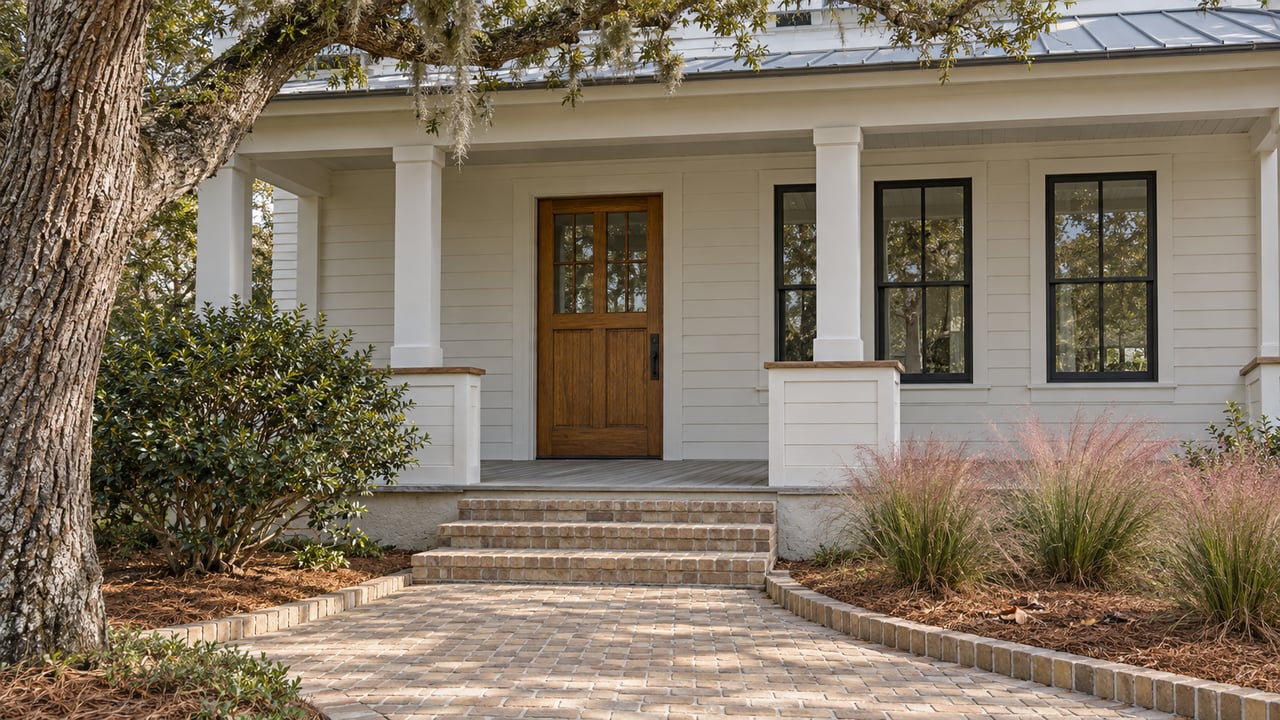
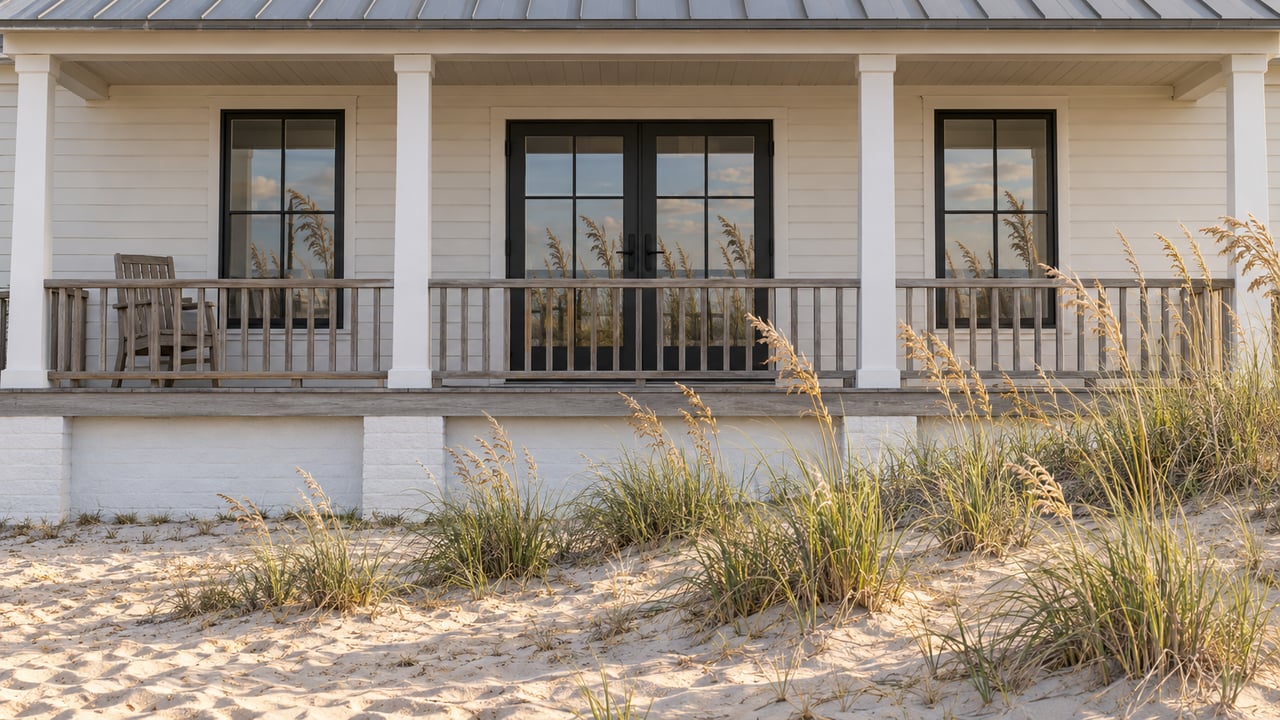
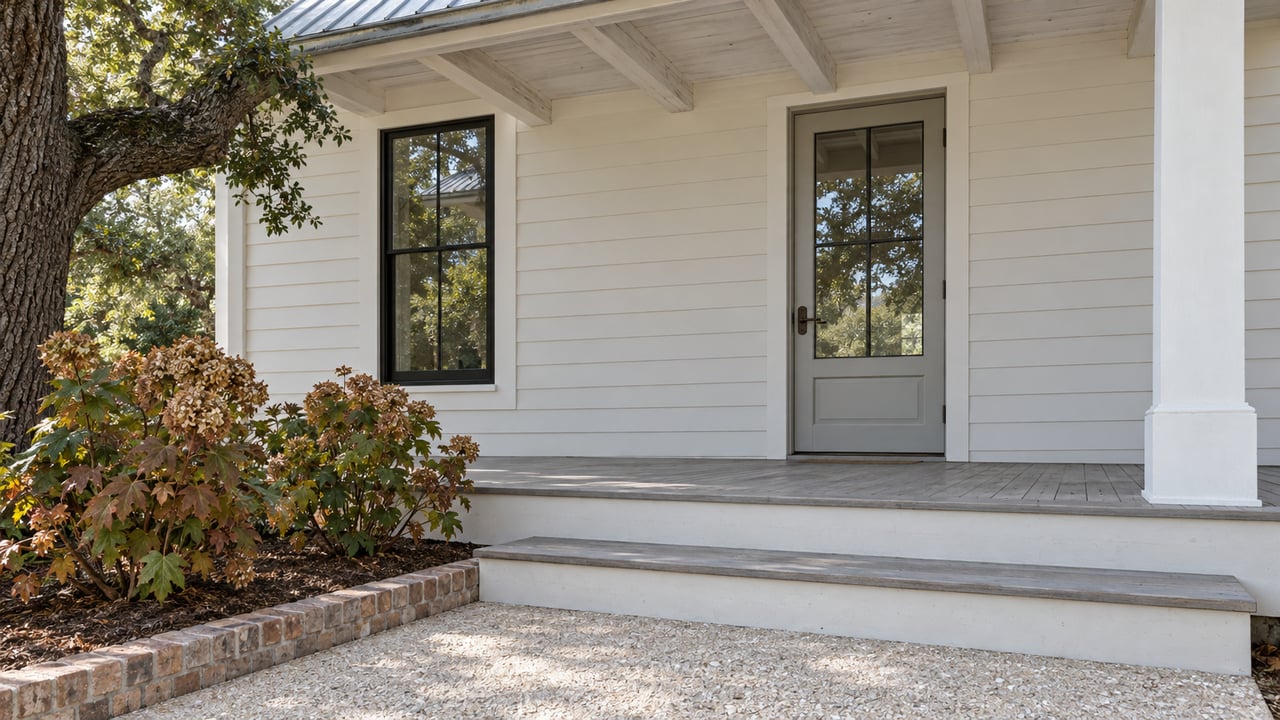
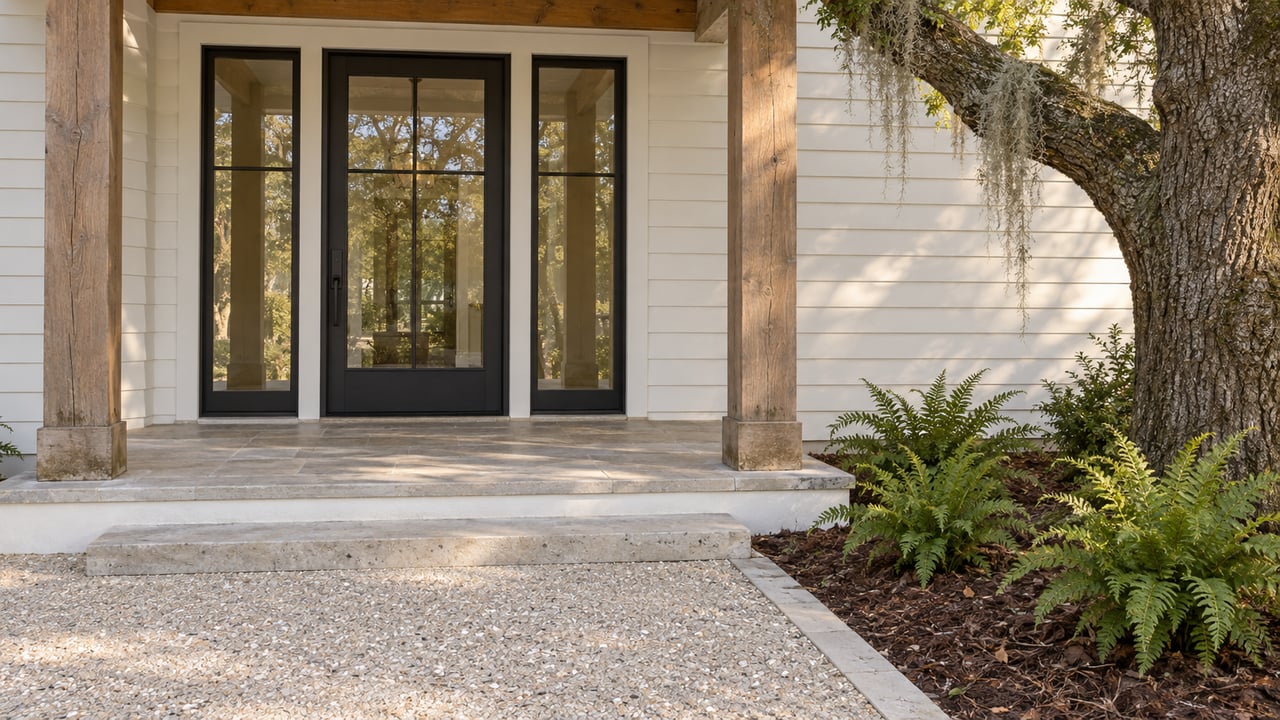
Homes in HHP range from patio homes and villas near amenity hubs to single‑family houses on wooded or lagoon lots, plus marshfront and deep‑water estates. Architectural character leans Lowcountry, with screened porches, raised forms and mature live oaks. Some enclaves have their own neighborhood associations and design guidelines within the broader ARB oversight.
Many homes date to the 1970s and 1980s, and renovations or tasteful infill are common. If you are weighing lifestyle fit against house type and location, walk a few loops along the leisure paths to get a feel for each setting.
Plan your perfect HHP day
- Sunrise: Walk the Bluff Walk, then bike a short loop using the POA bicycle routes map.
- Late morning: Pool time at Spring Lake; check the POA FAQs for hours and guest rules.
- Afternoon: Book a boat trip from Skull Creek Marina or practice on the courts.
- Evening: Pack a chair for a soundside sunset at Dolphin Head and peek at upcoming events in Plantation Living.
Access and permissions: what to know
Most HHP amenities are managed for residents and authorized guests. The POA governs decals, guest cards, facility rentals and ARB rules. Before you plan to use pools, courts, pavilions or conservancy boardwalks, verify current policies and any pass requirements in the POA FAQs and guides, or contact the POA office directly.
If you want a deeper look at homes and lifestyle options, a private orientation can save you time and help you focus on the right micro‑neighborhoods.
Ready to explore Hilton Head Plantation with a local guide who knows the paths, pavilions and tide timings? Reach out to Taylor Boatman for a tailored plan and on‑the‑ground insight.
FAQs
What amenities define daily life inside Hilton Head Plantation?
- You have about 10 miles of leisure paths, the 0.9‑mile Bluff Walk, pools and racquet facilities, four golf courses, two conservancy areas and deep‑water access at Skull Creek Marina, with programs and events organized through the POA.
Are the beaches at Pine Island open to the public?
- Pine Island and nearby soundfront areas within HHP offer roughly two miles of walking beach managed by the POA; access is controlled for residents and guests. For coastal project updates, see the Town’s beach renourishment FAQs.
How many miles of trails are in HHP?
- The POA lists approximately 10 miles of multi‑use leisure paths that interconnect neighborhoods with key amenities and the Bluff Walk.
Can nonresidents use the pools or tennis courts?
- Amenity use is governed by POA rules that may require a POA Photo ID or guest card. Always confirm current policies in the POA FAQs before you plan.
Where can I launch or dock a boat near HHP?
- Safe Harbor Skull Creek sits along the Plantation’s deep‑water edge and offers services for resident boaters and charters. See the marina listing for details.
How do tides affect walking and boating plans?
- Tidal range can be significant, changing beach width and currents. Check a local tide chart like Tides Pro before scheduling a beach walk, fishing window or launch.