Choosing between a historic Beaufort cottage and a new build is not just about old versus new. In Beaufort, that decision can shape how you renovate, how you park, how you insure the property, and how you experience daily life. If you are weighing charm against convenience, this guide will help you compare the real tradeoffs so you can move forward with confidence. Let’s dive in.
Why this choice feels different in Beaufort
Beaufort has a strong preservation identity, especially near downtown. The city’s original town core is a 304-acre historic district that is listed in the National Register of Historic Places and designated a National Historic Landmark.
That matters because buying in Beaufort’s historic core often means stepping into a preservation framework, not just buying an older home. Inside the historic district, exterior changes can require review by the Historic District Review Board and a certificate of appropriateness for certain work, including additions, demolitions, new construction, renovations, and site work.
The downtown historic district is also not one single rule set. It includes both a Conservation Neighborhood in the Northwest Quadrant and a Preservation Neighborhood, so the approval process can vary by location and project.
If you buy outside the historic district, the experience is often more typical. You are more likely to deal with standard code requirements and, in some communities, HOA documents and rules instead of preservation review.
What defines a historic Beaufort cottage
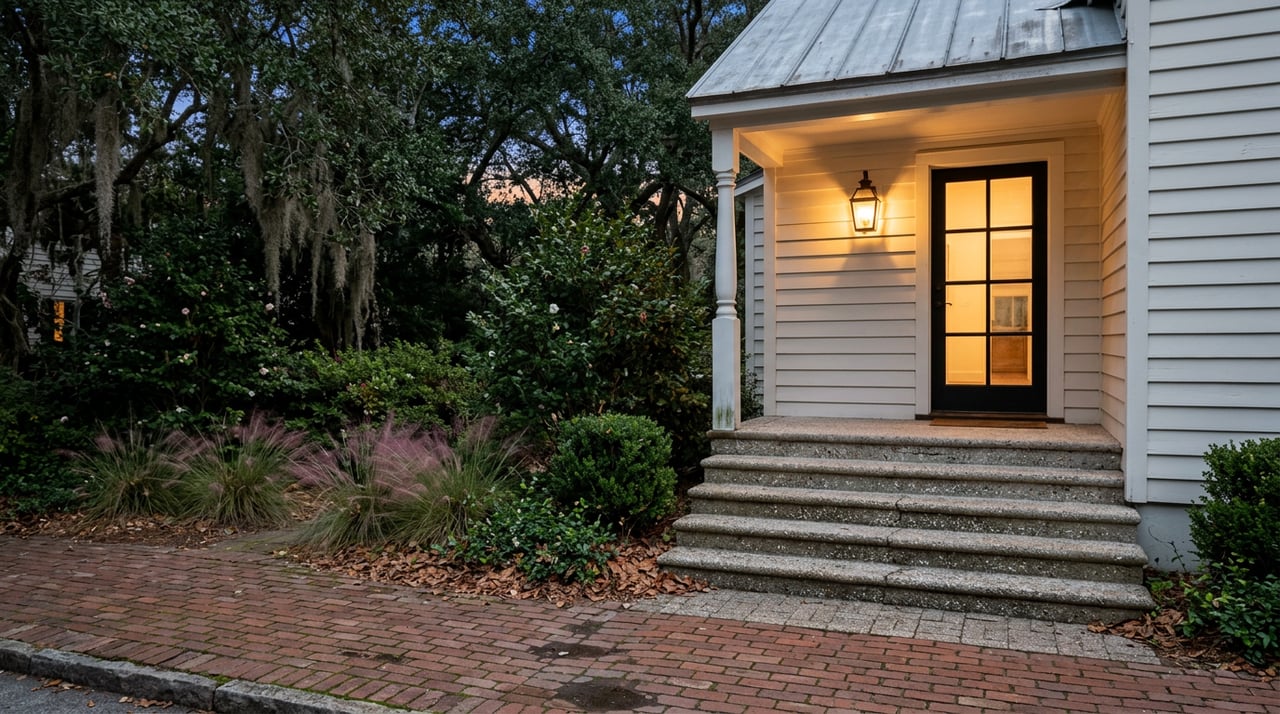
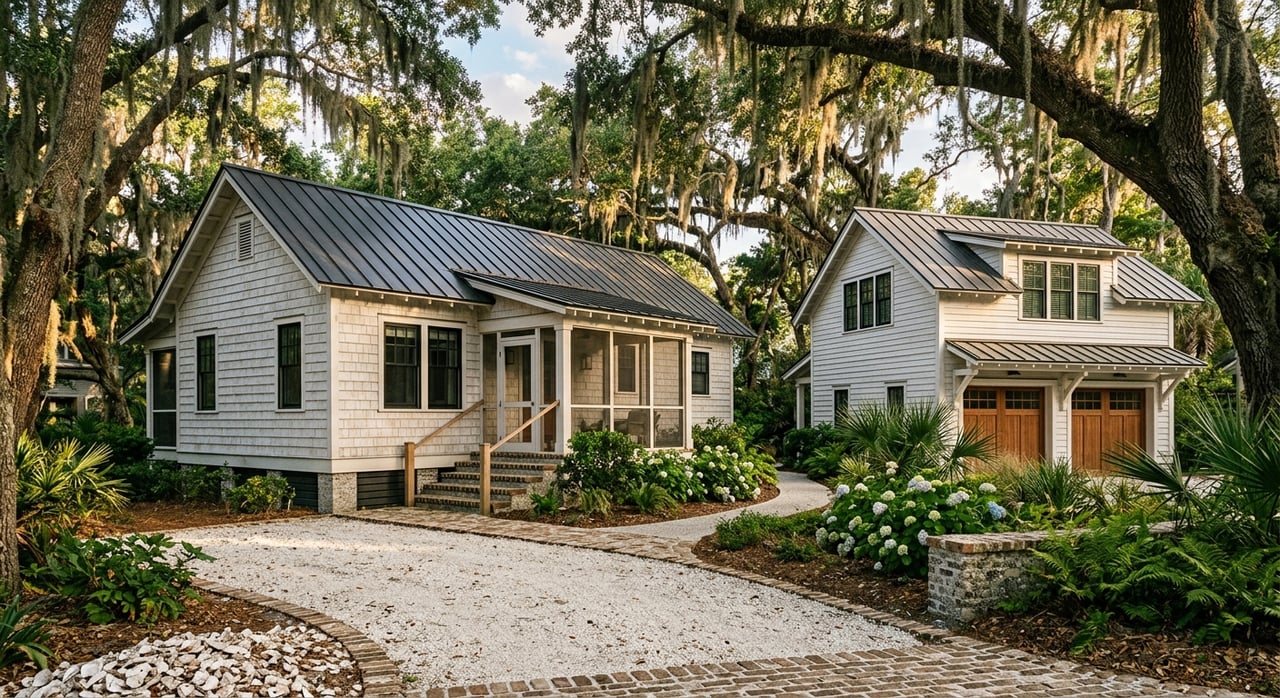
Historic cottages in Beaufort are closely tied to the city’s architectural character. Planning and preservation materials describe common features like raised foundations, south-facing orientation, piazzas or porticos, low-pitched roofs, T-shaped plans, and porches that face the street.
Many of the smaller historic homes were built as one- to one-and-a-half story cottages. Their scale and porch-centered design are a big part of what draws buyers to Beaufort’s older neighborhoods near downtown.
In practical terms, the porch is more than a charming detail. The Beaufort Preservation Manual calls it the principal element in the residential character of the historic district, and it notes that porch maintenance is an ongoing process.
Pros of buying a historic cottage
A historic cottage can be a great fit if you want a home with personality and a strong sense of place. For many buyers, that appeal starts with design details that are hard to replicate in standard new construction.
Character and authenticity
Historic cottages offer architectural features that connect directly to Beaufort’s past. If you value original proportions, traditional porches, and a home that feels rooted in the town, this style may be exactly what you want.
Walkable downtown access
The city describes the historic core as highly walkable. If you want to be near downtown amenities and enjoy a more pedestrian lifestyle, a cottage near the core can support that goal.
Possible preservation incentives
For qualifying properties, restoration may come with financial benefits. The city says federal, state, and local incentives may be available, and the local Bailey Bill is described as a 10-year tax abatement for eligible historic preservation cases.
Challenges of buying a historic cottage
The same features that make older homes special can also add complexity. Before you fall in love with a porch or period details, it helps to understand what ownership may involve.
Exterior changes may need approval
In the historic district, you may need a certificate of appropriateness before making certain exterior changes. That can affect your timeline, design choices, and renovation budget.
Maintenance can be more hands-on
Older materials and original architectural elements often need ongoing attention. The city’s preservation guidance recommends in-kind repair for porches because deterioration can speed up once it begins.
Parking may require extra review
Downtown parking is a real lifestyle factor. Beaufort reports more than 500 downtown parking spaces through a mix of lots and on-street parking, with meter enforcement from 11 a.m. to 7 p.m. Monday through Saturday, and monthly parking limited to downtown business owners and employees.
If private parking matters to you, verify each property’s off-street setup. A walkable location can be a major plus, but it does not always come with the parking convenience some buyers expect.
What a new build can offer
If you want a more turn-key experience, a newer home may feel simpler from day one. In Beaufort, that usually means current-code construction, modern systems, and less immediate renovation risk.
The city says the state-adopted codes effective January 1, 2023 include the 2021 International Residential Code and the 2009 International Energy Conservation Code. That does not guarantee the same quality level across all homes, but it does mean new homes start from a more current baseline than older properties.
For many buyers, the biggest appeal is predictability. Instead of planning around an aging roofline, older insulation, or uncertain mechanical systems, you are typically starting with newer components.
Pros of buying a new build
A new build can line up well with buyers who value convenience, efficiency, and a more straightforward ownership experience.
Current-code construction
Newer homes begin with modern building standards rather than an older building envelope. That can reduce early repair surprises compared with a house that has decades of wear.
Easier path to efficiency
The U.S. Department of Energy notes that many older homes have less insulation than homes built today. If energy performance matters to you, a new home may offer a simpler path, especially if the builder has gone beyond minimum code.
ENERGY STAR says certified homes and apartments are designed to be at least 10% more energy efficient than homes built to code. DOE Efficient New Homes also follow rigorous high-performance guidelines.
Less renovation pressure
Many buyers simply want to move in and start living. A newer home can make that easier if you do not want to take on repairs, approvals, or project management soon after closing.
Challenges of buying a new build
New construction is not automatically the easy answer for everyone. In Beaufort, the biggest variables often shift from preservation issues to community structure and documents.
HOA rules may shape ownership
In many newer communities, the key question is not historic review but HOA governance. The South Carolina Department of Consumer Affairs says the state does not have one comprehensive law detailing how an HOA must operate, but associations must follow the South Carolina Homeowners Association Act.
The South Carolina LLR disclosure addendum says that if a property is subject to an HOA or similar covenants, the seller must provide the addendum before contract. Buyers should review covenants, bylaws, deeds, dues, fees, assessments, and reserve charges.
Freedom can vary by community
If you want predictability, community rules may feel helpful. If you want flexibility with exterior details, parking, or use of the property, those same rules may feel limiting.
That is why the documents matter so much. Two new-build communities can look similar on the surface but offer very different ownership experiences.
Flood risk matters in both options
Whether you buy a cottage or a new build, flood risk should be part of your decision. Beaufort’s coastal setting makes this a market-wide issue, not just a concern for one property type.
The city says flooding can occur most anywhere in Beaufort. It also states that standard homeowners insurance does not cover flood, and that properties in a Special Flood Hazard Area have a 26% chance of flooding over a standard 30-year mortgage.
This is one of the most important reality checks in your search. A beautiful historic cottage near downtown and a polished new home in another part of the market can both require close flood review.
How to compare your lifestyle fit
The best choice often comes down to how you want to live. A historic cottage may suit you if you want downtown access, porch-centered architecture, and a home with a story, and you are comfortable with maintenance and approvals.
A new build may suit you better if you want a more turn-key purchase, current-code systems, and a simpler route to energy efficiency. Neither option is better across the board. The right fit depends on your priorities, timeline, and comfort with ongoing ownership responsibilities.
A practical Beaufort buyer checklist
Before you decide, use a process that reflects Beaufort’s local realities. A careful review now can save you time, money, and stress later.
For any Beaufort home
- Confirm the flood zone
- Ask for the elevation certificate if available
- Get an insurance quote that includes flood coverage
- Review parking arrangements and daily access
For a historic cottage
- Confirm whether the home is inside the historic district
- Review permit and renovation history
- Ask whether your planned work would require a certificate of appropriateness
- Evaluate porch condition and other exterior maintenance items
- Review whether the property may qualify for historic preservation incentives
For a new build or newer community home
- Review the declaration, bylaws, dues, fees, assessments, and reserve information
- Ask what rules apply to exterior changes and property use
- Review insulation, HVAC, and overall energy performance
- Ask whether the home has any high-performance or efficiency certification
Making the right call in Beaufort
In Beaufort, this decision is rarely just about style. It is about whether you want historic character with preservation responsibilities, or newer construction with a different set of rules and carrying costs.
If you are deciding between the two, the smartest move is to compare each property through the lens of daily life. Think about how you want to spend your time, what kind of upkeep feels reasonable, how important walkability is to you, and how much structure you want around future changes.
If you want a clear, tailored strategy for buying in Beaufort, Taylor Boatman can help you weigh the tradeoffs, review the right details, and find the Lowcountry fit that truly matches your goals.
FAQs
What should you check before buying a historic Beaufort cottage?
- You should confirm whether the home is in the historic district, review permit and renovation history, ask if planned work needs a certificate of appropriateness, evaluate porch condition, and get flood and insurance details.
How do Beaufort new builds differ from historic cottages?
- New builds usually offer current-code construction and newer systems, while historic cottages often offer more architectural character but may involve more maintenance, flood review, and exterior approval requirements.
Do Beaufort historic homes have special renovation rules?
- Yes. Inside Beaufort’s historic district, certain exterior work such as additions, demolitions, renovations, new construction, and site work can require review and a certificate of appropriateness.
Are HOA rules important when buying a newer Beaufort home?
- Yes. If a home is subject to an HOA or similar covenants, you should review the declaration, bylaws, dues, fees, assessments, and reserve information before moving forward.
Does flood risk matter for both historic and new Beaufort homes?
- Yes. The city says flooding can occur most anywhere in Beaufort, and standard homeowners insurance does not cover flood, so flood zone review and insurance pricing are important for both property types.
Is downtown Beaufort parking different from newer communities?
- Yes. Downtown Beaufort has a mix of lots and on-street parking with meter enforcement during set hours, so buyers should verify each property’s off-street parking arrangement if private parking is important.