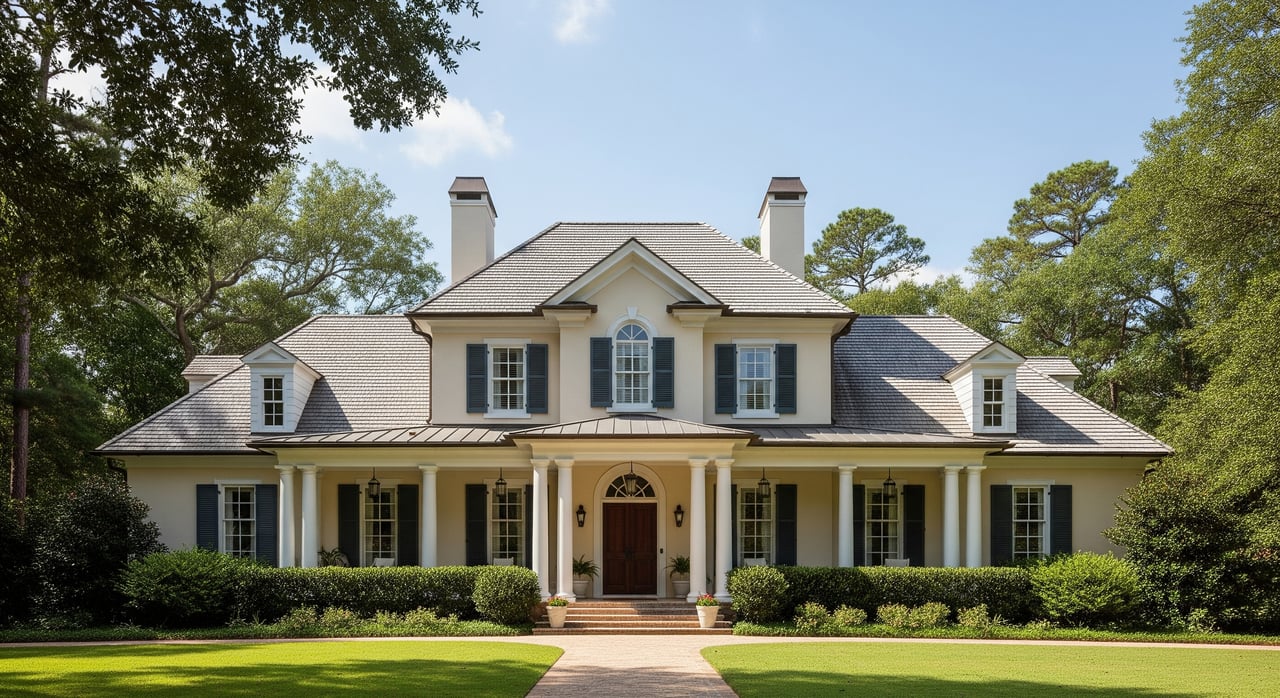
Looking at homes in Bluffton and wondering if the price puts you in jumbo loan territory? You are not alone. Many waterfront, marsh-view, and luxury properties in Beaufort County call for high-balance financing. In this quick guide, you will learn what counts as a jumbo loan, how it differs from a standard mortgage, what to watch for in our coastal market, and how to plan a smooth path to closing. Let’s dive in.
What counts as a jumbo loan here
A jumbo loan is a mortgage that is larger than the conforming loan limit set by the Federal Housing Finance Agency. Loans within the limit can be purchased by Fannie Mae or Freddie Mac. Loans above the limit are non-conforming, or jumbo.
Conforming limits are updated each year and can vary by county. Before you shop, check the current Beaufort County limit using the official FHFA conforming loan limits. If your target price and down payment lead to a loan amount above the county limit, you will be looking at jumbo options.
Why this matters in Bluffton: high-demand areas, limited waterfront supply, and the appeal of Lowcountry living often push prices above conforming limits. If you plan to finance a luxury primary home, a second home, or an investment property, knowing where your loan amount sits helps you prepare the right strategy.
Jumbo vs. conforming: what changes
Jumbo loans follow many of the same basics as other mortgages, but lenders apply tighter standards and more documentation. Here are the key differences you will notice:
- Credit strength. Many jumbo programs look for higher credit scores, often in the 700 to 760 range depending on the product and lender.
- Debt-to-income ratio. Lenders may allow lower maximum DTI compared to conforming loans. Strong compensating factors can help.
- Cash reserves. Expect to document several months of mortgage payments in reserves. Higher loan amounts and non-owner-occupied properties usually require more.
- Documentation depth. Full income and asset documentation is typical. Self-employed borrowers may consider alternative documentation programs under non-QM jumbo products.
- Down payment. Conforming loans can allow lower down payments. Many jumbo options fall in the 10 to 20 percent down range, though programs vary.
- Interest rates and costs. Jumbo rates can be similar to or slightly higher than conforming, depending on the market and your profile. Most jumbos do not use private mortgage insurance the same way conforming loans do. Pricing, reserves, and fees are used to manage risk.
- Property rules. Condos, mixed-use, unique waterfront homes, and second homes often see tighter guidelines. Ask upfront about any condo project or waterfront overlays.
If you are new to comparing mortgages, the CFPB’s overview of loan options and mortgage shopping guidance are helpful primers.
Bluffton and Beaufort County factors
Buying along the South Carolina coast brings a few extra checkpoints that matter for jumbo underwriting.
- Flood zones and insurance. If a property sits in a FEMA Special Flood Hazard Area, lenders will require flood insurance. Always verify a property’s flood zone early using the FEMA Flood Map Service Center. For certain homes, you may need an elevation certificate. Insurance quotes can affect your monthly payment and approval.
- Appraisals for unique properties. Waterfront, marshfront, or custom homes can be harder to value due to limited comparable sales. Appraisals may take longer and can come in conservative if comps are scarce.
- HOA and condo reviews. Monthly HOA dues and any special assessments count toward your DTI. Some condo buildings require a project review or additional documentation.
- Taxes and carrying costs. Beaufort County property taxes, insurance, and dues must fit within your budget and lender guidelines.
- Assistance programs. Most down-payment assistance programs target lower price ranges and may not apply to jumbo purchases. You can scan state offerings at SC Housing, but plan on funding a jumbo purchase without subsidized assistance.
Jumbo loan options and alternatives
Different paths can get you to the finish line. Your choice depends on credit, income type, property, and long-term plans.
- Conventional jumbo. Fixed-rate and ARM options for loan amounts above conforming limits. Best fit for strong credit, steady income, and ample reserves.
- Portfolio jumbo. Lenders keep these loans in-house. Guidelines can be more flexible for unique properties or borrower profiles.
- Non-QM jumbo. For self-employed or non-traditional income, products like bank-statement or asset-based loans can help. Rates and fees are usually higher.
- VA jumbo. VA loans do not have a fixed dollar cap, but lender overlays and your entitlement determine how much you can finance with little or no down payment. Review current rules at the VA loan limits page.
- Piggyback financing. An 80-10-10 structure pairs a first mortgage with a home equity loan or HELOC to reduce the first-lien balance. Availability and pricing vary.
- HELOCs, bridge loans, or cash. If you own another property, a HELOC or bridge loan can provide down payment funds. Always test how the extra payment affects your DTI.
Your jumbo loan game plan
Set yourself up to move quickly and with confidence. Use this streamlined plan tailored for Bluffton buyers.
1) Get oriented on limits and prices
- Confirm the current county conforming limit using the FHFA tool.
- Narrow your search to specific Bluffton neighborhoods and price ranges so you can estimate your likely loan amount.
2) Secure strong pre-approval
- Seek pre-approval from two or three lenders that actively fund jumbos in South Carolina.
- Ask for written pre-approval with loan amount, target rate range, and any overlays for condos, second homes, or waterfront properties.
- Compare timelines for appraisal ordering, underwriting, and closing.
3) Gather documentation
- Standard items: two years of tax returns, W-2s, recent pay stubs, bank and investment statements, and a list of monthly liabilities.
- Self-employed: business returns, year-to-date profit and loss, 1099s, or bank-statement alternatives if using non-QM.
- Reserves: recent statements showing the required months of reserves.
4) Complete property due diligence early
- Run a flood zone check on any serious contender using the FEMA Flood Map Service Center. If in a special flood hazard area, get insurance quotes right away.
- Ask your lender whether a specialized appraiser is needed for waterfront or luxury homes and what that means for timing.
- For condos, obtain association documents and budget details for the project review.
5) Plan for cash to close and timing
- Estimate down payment, closing costs, prepaid taxes and insurance, and any points for rate buydowns.
- Jumbo underwriting and appraisals can take longer. Build a little extra time into contingency and closing dates.
6) Ask smart lender questions
- Do you keep jumbo loans in portfolio or sell them? How does that affect guidelines and pricing?
- What are your minimum credit score, maximum DTI, and reserve requirements at my target loan amount?
- Do you have specific overlays for condos, second homes, or waterfront properties?
- How long do appraisal and underwriting usually take for high-value coastal properties?
Common pitfalls to avoid
A few small moves can save you stress and money.
- Skipping flood checks until after you offer. Always confirm flood zone and get insurance quotes early.
- Tight closing dates. Give your team enough time for jumbo underwriting and specialized appraisals.
- Underestimating reserves. Make sure liquid assets are documented and sufficient for the lender’s reserve requirement.
- Condo surprises. For condos, request association budgets, insurance, and litigation status upfront to avoid delays.
- Rate lock mismatches. Align your rate lock length with appraisal and underwriting timelines.
Partner with a local advisor
You want a smooth process and a property that fits your financial and lifestyle goals. With deep experience across Bluffton and the island communities, we help you target the right neighborhoods, anticipate lender requirements, and negotiate a contract that respects jumbo timelines. We also coordinate with your lender and appraiser so your financing, inspections, and closing stay in sync.
If you are considering a high-balance purchase in Bluffton or greater Beaufort County, reach out to Taylor Boatman for a tailored game plan and access to pre-market and private opportunities.
FAQs
How do jumbo interest rates compare to conforming loans?
- Jumbo rates can be similar to conforming for well-qualified borrowers, but they may run slightly higher depending on your profile and market conditions.
How much down payment do I need for a jumbo loan in Bluffton?
- Many programs fall in the 10 to 20 percent down range, though certain portfolio or private bank options can allow less with strong compensating factors.
What should I do if a Bluffton home is in a flood zone?
- Expect to carry flood insurance if the property is in a FEMA special flood hazard area; verify the zone early and get quotes since premiums affect your monthly cost.
Can I use a VA loan for a high-priced home in Beaufort County?
- Eligible veterans can use VA financing for large purchases, but lender overlays and entitlement rules determine how much can be financed with little or no down payment.
How long do jumbo loans take to close in coastal South Carolina?
- Often a bit longer than conforming loans because of appraisal and documentation requirements; plan for extra time and work with a lender and agent who handle jumbos regularly.
Do state or county programs help with jumbo down payments?
- Most assistance programs target lower price points; you can review options at SC Housing, but jumbo buyers typically fund down payments without subsidies.