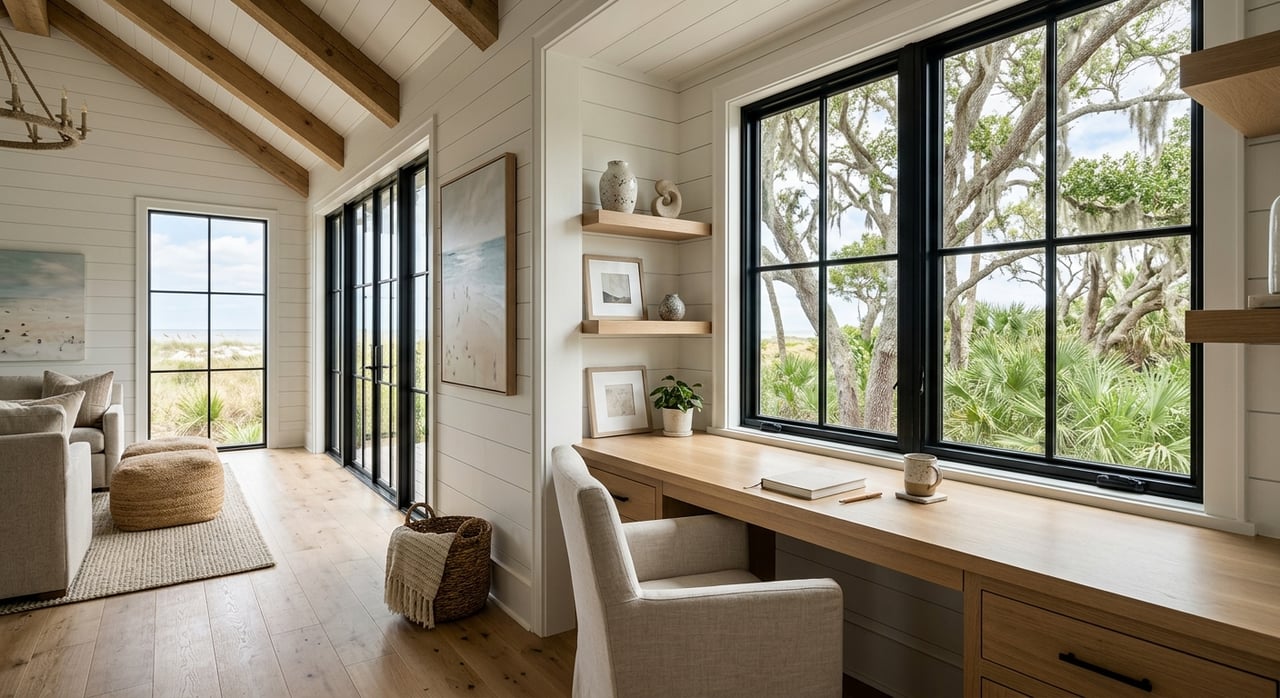
If you are thinking about buying a vacation rental in Palmetto Dunes, the headline revenue number can be tempting. But in a resort market with clear seasonality, layered fees, and local rules, the real story is in the details. When you know how to read the numbers, you can spot stronger opportunities, ask better questions, and build a more realistic return model. Let’s dive in.
Why Palmetto Dunes Draws Rental Interest
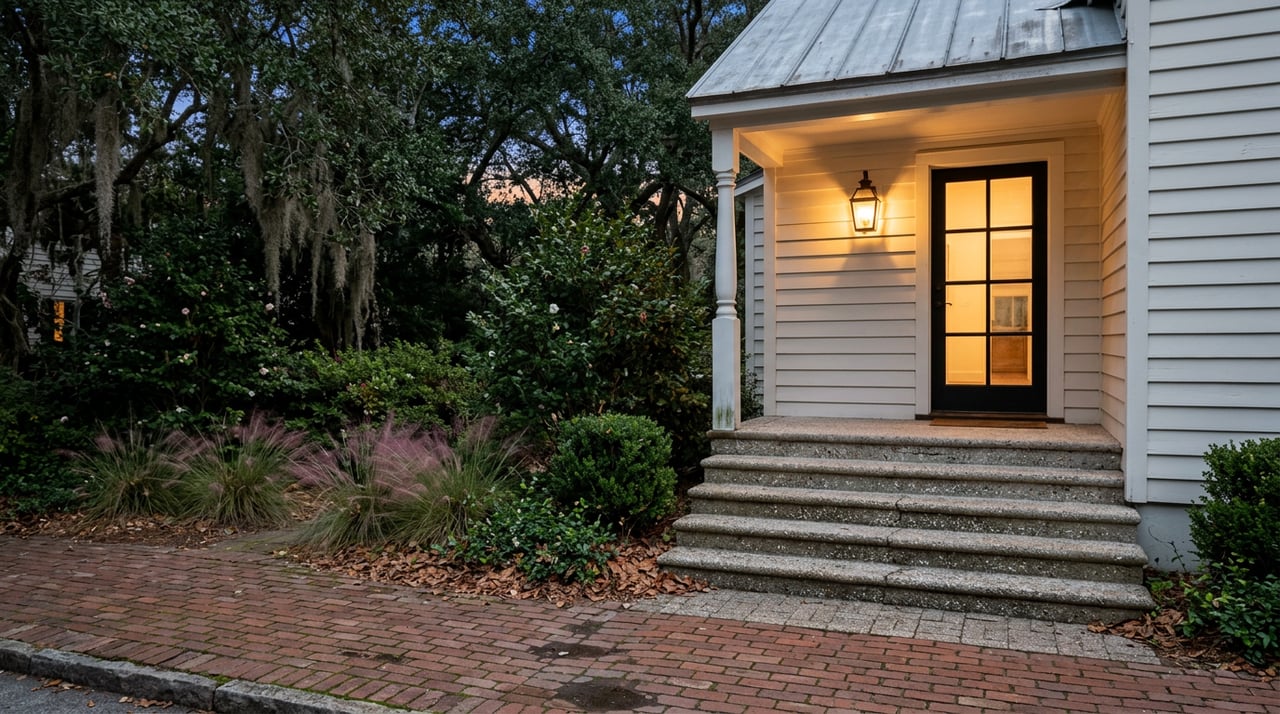
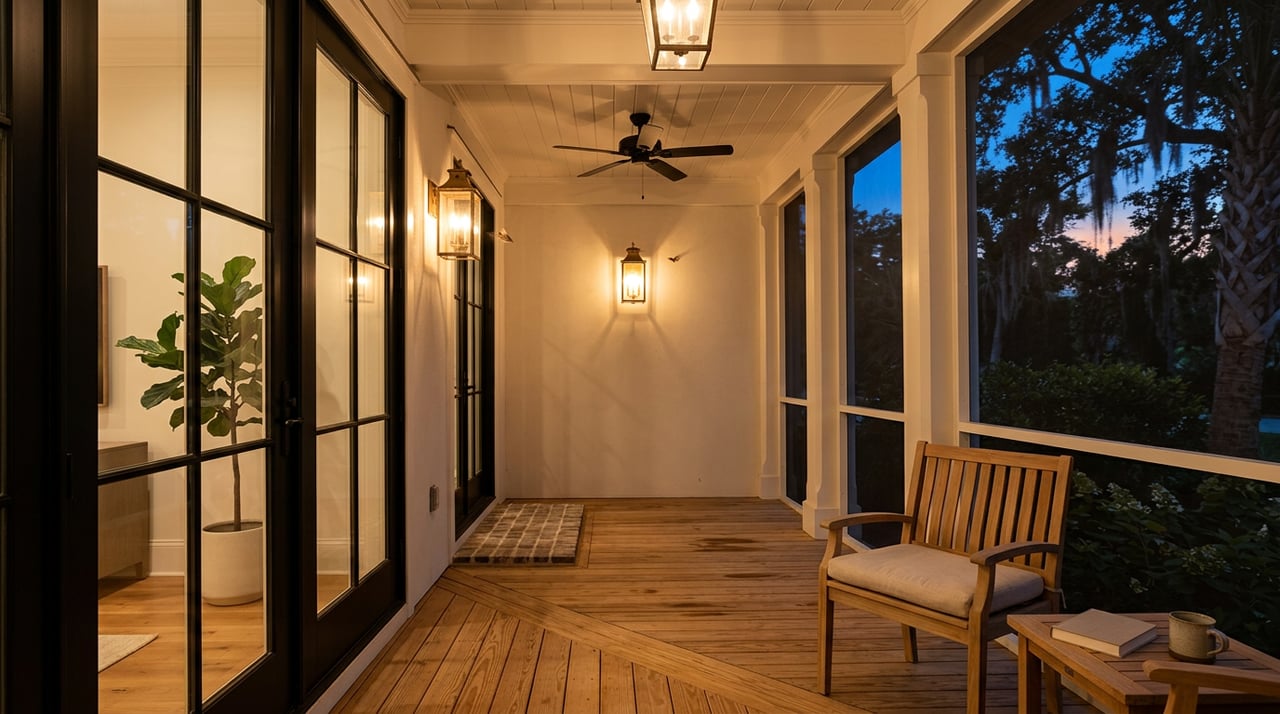
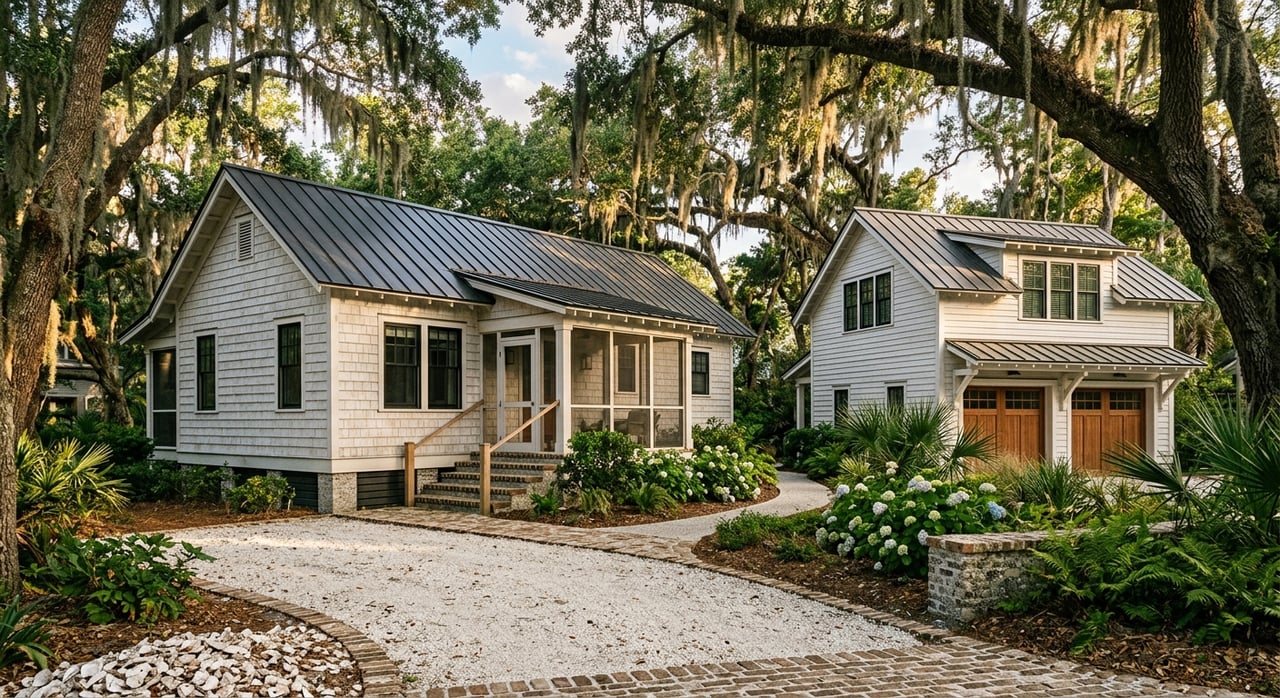
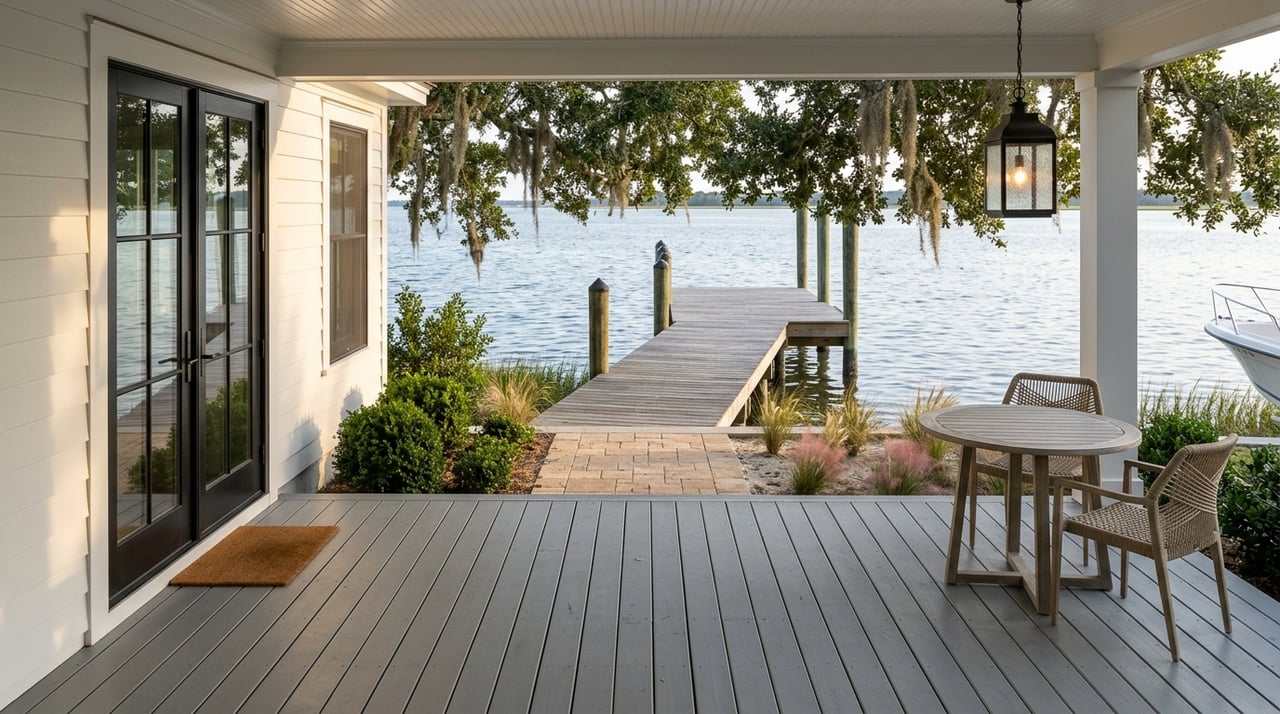
Palmetto Dunes sits within one of Hilton Head Island’s most established resort settings. The community is known for three miles of beachfront, golf, a marina, and an 11-mile lagoon system, all of which support steady visitor demand.
The broader Hilton Head market is tourism-driven. The Hilton Head Island-Bluffton Chamber of Commerce reported 2.98 million visitors in 2023, with average annual occupancy around 55%, and the busiest stretch generally running from May through September.
That demand creates real rental potential, but it does not mean every property performs the same way. In a mature resort community like Palmetto Dunes, your results depend on location within the resort, property type, management approach, and the full expense structure behind the revenue line.
Start With Market Benchmarks
Before you evaluate one property, it helps to understand the broader Hilton Head vacation rental backdrop. The chamber’s 2024 destination marketing plan reported home-and-villa occupancy of 53%, average daily rate of $364, and RevPAR of $194.
These numbers give you a baseline, not a guarantee. They help you compare an individual home or villa against the wider market, but they should not be treated as a prediction for what any one property will earn.
A useful first step is to ask whether the property you are reviewing is outperforming, matching, or trailing those local benchmarks. That simple comparison can tell you whether the asking price reflects proven rental strength or optimistic assumptions.
Understand Seasonality First
One of the biggest mistakes buyers make is underwriting Palmetto Dunes as if demand stays steady all year. Local occupancy snapshots show a very different pattern.
The chamber’s research showed January 2024 home and villa occupancy at 29%, while March 2025 home and villa occupancy reached 61%. That spread points to a market with meaningful seasonal swings, not a flat annual rhythm.
For you as a buyer, that means summer strength should be balanced against winter softness. A realistic model should account for high-demand months, shoulder seasons, and slower periods instead of relying on one annual average.
Know Palmetto Dunes Is Competitive
Palmetto Dunes is not an emerging rental market. It is a well-established one.
A PDPOA survey memo reported that 54% of homes and villas in the community were rented short-term in 2019, with villas showing heavier rental use than single-family homes. While that figure is older and should be treated as directional, it still signals a large and active rental ecosystem.
That matters because you are not just buying into demand. You are also buying into competition. The more mature the rental pool, the more important it becomes to compare your target property against similar homes or villas in terms of size, layout, updates, amenities, and booking history.
Read Gross Revenue vs Owner Net
The top line on a rental statement is only the beginning. What matters most is the difference between gross booking revenue and true owner net.
Gross revenue tells you how much money came in from bookings. Owner net shows what is left after taxes, commissions, cleaning, fees, repairs, and other operating costs are accounted for.
If you are reviewing historical statements, look for a breakdown that clearly separates income from deductions. If the reporting is too vague, it becomes harder to know whether a property is truly performing well or just producing a strong-looking gross number.
Focus On Three Core Metrics
When comparing Palmetto Dunes rentals, three performance measures are especially useful:
- Occupancy: the share of available nights that were booked
- ADR: average daily rate, or the average revenue per booked night
- RevPAR: revenue per available night, which blends rate and occupancy together
These metrics help you compare properties more fairly. A home with a high nightly rate but weak occupancy may underperform a property with a slightly lower rate and steadier booking pace.
RevPAR is often the most balanced snapshot because it reflects both pricing power and booking consistency. If you are deciding between two properties, this metric can be especially helpful.
Check The Tax Lines Carefully
In Palmetto Dunes, tax treatment is not a small detail. It directly affects how you read the revenue statement.
South Carolina imposes a 7% accommodations tax on short-term sleeping accommodations, and Hilton Head adds a 3% local accommodations tax and beach preservation fee. That means the town-level total is 10% before any mandatory service or cleaning charges are considered.
The state also says required cleaning fees are taxable, optional cleaning fees are not, and management or online travel company service fees are taxable. If you are looking at rental history, the statement should make it clear what taxes were collected, how they were handled, and whether the fee treatment was consistent.
Confirm Who Remits Taxes
Who books the stay matters just as much as how much was charged. If an owner books directly, the owner needs a Retail License and is responsible for accommodations tax on those bookings.
If the property is rented exclusively through a property management company or an online travel company that reserves rooms and accepts payment, that entity remits the tax. A good rental statement should show which bookings were direct and which were manager- or platform-collected.
This is one reason clean records matter. Without that clarity, it becomes harder to verify the property’s true operating picture and compliance history.
Review The Full Expense Stack
A strong statement should show more than rent and commission. To understand real cash flow, you want to see the full expense picture.
Look for line items such as:
- Gross rent
- Taxes collected and remitted
- Management commission
- Cleaning and turnover costs
- Pass or access fees
- Maintenance and repairs
- Reserve allocations
- HOA or POA assessments
- Insurance
- Utilities
- Refunds or owner-use adjustments
When one or more of these categories is missing, the numbers can look better than they really are. The more complete the statement, the more confidence you can have in your analysis.
Include Local Compliance Costs
Short-term rental ownership in Hilton Head comes with specific town requirements. The Town of Hilton Head Island requires a short-term rental permit that is separate from the annual business license.
The permit fee is $250 per property, and the permit term runs from May 1 to April 30. The town’s updated ordinance also requires the permit number to appear in advertisements and adds safety and parking rules that owners must follow.
These are not optional details. They are part of the operating cost and compliance burden of owning a vacation rental here.
Factor In Palmetto Dunes Fees
Palmetto Dunes has its own ownership costs that should be part of your return model from day one. According to the POA, the 2026 annual residential assessment is $2,000.
There is also a 0.5% Community Enhancement Fee paid when a property is purchased. That transfer cost can affect your upfront acquisition math, especially if you are comparing Palmetto Dunes with another island community.
Rental-pass fees also increased beginning October 1, 2024. Current fees are $20 for 1 to 2 nights, $35 for 3 to 7 nights, $50 for 8 to 14 nights, $75 for 15 to 30 nights, and $100 for 31 to 180 nights.
Don’t Miss Amenity-Related Costs
Some local fees support amenities that are part of the guest experience. PDPOA says the annual transportation fee supports the seasonal Dunes Buggy, which in a normal season carries more than 50,000 passengers within Palmetto Dunes, Leamington, and Shelter Cove.
That may support rental appeal, but it is still a cost you should understand when evaluating net operating income. In resort communities, convenience and guest experience often come with meaningful overhead.
If a property is in a Palmetto Dunes Resort-managed rental program, the vacation-rental fee structure may also include items such as 24-hour security, one car pass, seasonal resort transportation, Wi-Fi hotspots, and processing fees. The resort also notes that these rentals are sold as 3- to 7-plus-night stays, which may shape turnover frequency and operating patterns.
Model Property Taxes Realistically
Property taxes can materially change your return. South Carolina guidance says owner-occupied homes are assessed at 4%, while second homes and vacation homes are generally assessed at 6%.
Because vacation rentals usually are not legal residences, many buyers should model them using the higher non-owner-occupied class unless a tax professional advises otherwise. Final taxes still depend on parcel-specific millage and district rules, so this is an area where careful review matters.
A property that looks attractive before taxes can feel very different after them. This is one of the most important inputs in any Palmetto Dunes ROI analysis.
Self-Manage Or Hire A Pro?
Management style can change your net income, your workload, and your risk profile. Self-management may improve control and reduce commissions, but it also puts pricing, guest communication, turnover coordination, tax compliance, pass issuance, and rule enforcement on your shoulders.
That burden is especially real in Palmetto Dunes, where access passes, parking limits, and other community rules are actively enforced. If you value time, consistency, and cleaner operations, professional management may be easier to underwrite.
Local companies publicly describe management fees ranging from 15% to 25% depending on home size and projected income, and another local Hilton Head company says typical short-term rental management fees can range from 15% to 30% depending on service level. The right question is not just what the fee costs, but whether self-management would truly outperform after time, compliance, and vacancy risk are factored in.
What Smart Buyers Should Ask For
When you are reviewing a Palmetto Dunes vacation rental opportunity, ask for more than a revenue summary. You want enough detail to test the story behind the numbers.
A strong due diligence package should include:
- Historical rental statements
- Occupancy, ADR, and RevPAR trends if available
- A breakdown of direct versus manager-booked stays
- Tax collection and remittance details
- Cleaning, pass, maintenance, and utility costs
- POA assessments and known fee obligations
- Current permit status and advertising compliance
- Owner-use history or blackout periods that may affect past performance
This level of detail helps you compare properties more accurately and avoid surprises after closing.
The Bottom Line On Palmetto Dunes Rental Numbers
Palmetto Dunes can offer compelling vacation rental potential, but the best opportunities are rarely identified by gross income alone. The strongest analysis looks at seasonality, competitive positioning, taxes, fees, management structure, and the full cost of operating within a highly regulated resort setting.
If you are considering a villa, second home, or investment property in Palmetto Dunes, the goal is not just to find a property with rental history. It is to find one where the numbers hold up under real scrutiny and still fit the way you want to own and use it.
If you want help evaluating Palmetto Dunes properties with a local, concierge-level perspective, connect with Taylor Boatman for thoughtful guidance on buying the right fit in this market.
FAQs
What do vacation rental numbers in Palmetto Dunes really tell you?
- They help you understand how a property has performed, but you need to separate gross booking revenue from owner net and review taxes, fees, and seasonality before drawing conclusions.
What occupancy rate should you expect for a Palmetto Dunes vacation rental?
- Hilton Head home-and-villa occupancy has recently averaged around the low-50% range annually, but monthly results can vary widely, with slower winter periods and stronger spring and summer demand.
What taxes apply to short-term rentals in Palmetto Dunes?
- South Carolina imposes a 7% accommodations tax, and Hilton Head adds a 3% local accommodations tax and beach preservation fee, creating a 10% total before certain mandatory charges.
What fees should you include when analyzing a Palmetto Dunes rental property?
- You should account for management fees, cleaning and turnover costs, pass fees, POA assessments, insurance, utilities, repairs, reserves, permit costs, and property taxes.
What permit does a short-term rental need in Hilton Head Island?
- The Town of Hilton Head Island requires a short-term rental permit separate from the annual business license, with a $250 fee per property and a permit term running from May 1 to April 30.
What is the difference between self-managing and using a rental manager in Palmetto Dunes?
- Self-management may reduce commission costs, but it shifts guest communication, pricing, tax compliance, turnover coordination, and community-rule enforcement to you, while professional management makes the fee more predictable but reduces net income.