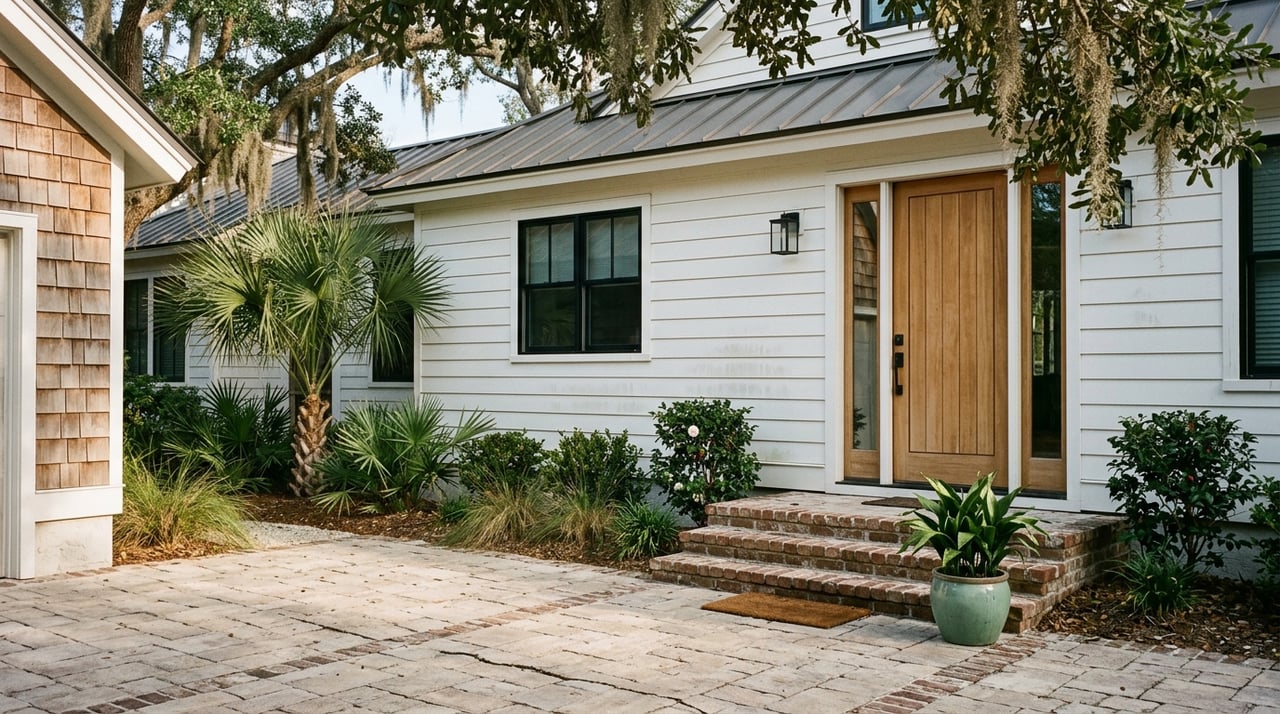
Wondering whether a single-family home or an attached property makes more sense in Hilton Head Plantation? It is a smart question, because in this community, your choice is not just about square footage or style. It also affects how much upkeep you manage, how much outdoor space you have, and how flexible the property may feel over time. If you want to buy with more clarity and fewer surprises, this guide will help you compare the main home types in Hilton Head Plantation. Let’s dive in.
Why home type matters in Hilton Head Plantation
Hilton Head Plantation is a large, established community that spans nearly 4,000 acres and includes about 10,000 residents, 4,230 homes, 82 lots, and roughly 72 miles of roadway. Across the plantation, owners share access to many community amenities, but they do not all share the same day-to-day ownership responsibilities. That is the key reason home type matters here.
The master POA maintains shared community features such as roads, lakes, lagoons, recreation facilities, and common landscaped areas. It does not maintain individual homes. So while many owners enjoy the same broad community setting, your personal maintenance load can look very different depending on whether you buy a detached home or an attached property.
Community amenities are broadly shared
One of the biggest advantages of buying in Hilton Head Plantation is access to established amenities. Official materials list Spring Lake Pool, the Dolphin Head Recreation Area and beach access, 12 Har-Tru tennis courts, bocce and shuffleboard courts, three clubhouses, four golf courses, open space, clubs, and the Bluff Walk.
That broad amenity package matters because it shifts the decision away from what you can access and more toward how you want to live. In many cases, the bigger difference between home types in Hilton Head Plantation is not access to lifestyle features. It is how much home and exterior upkeep you want to take on yourself.
Single-family homes in Hilton Head Plantation
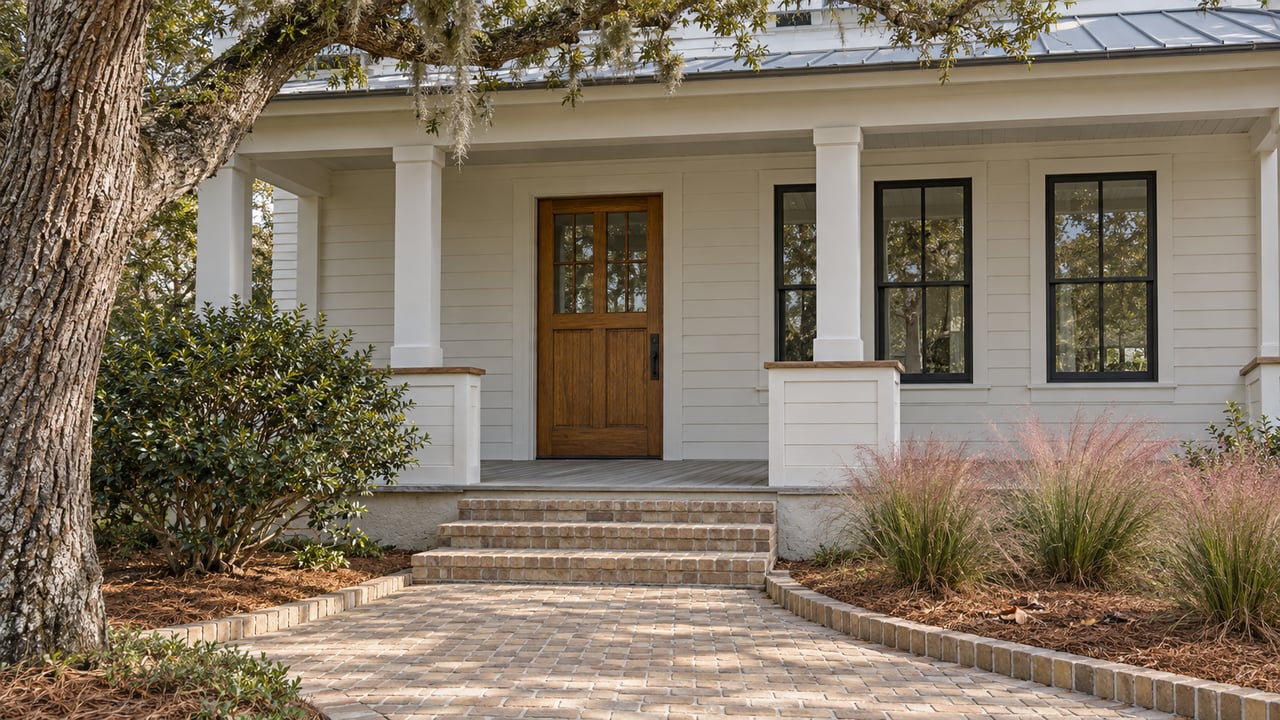
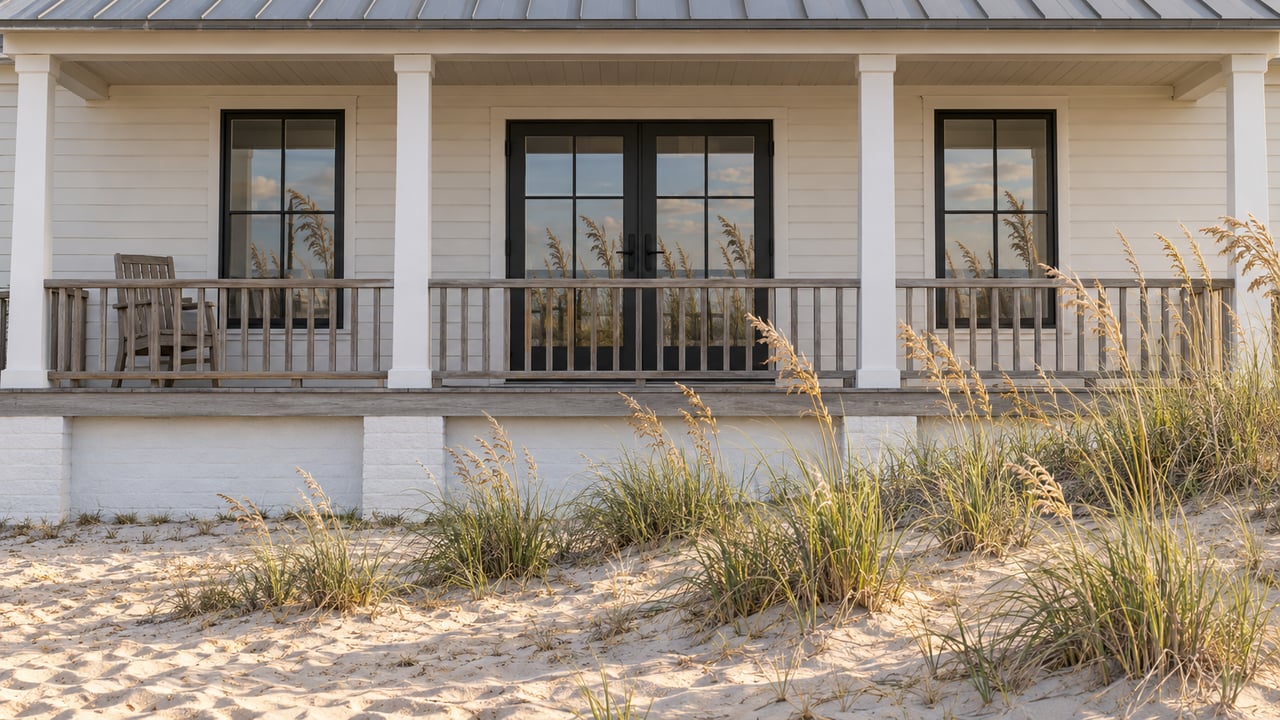
Detached homes are usually the best fit if you want more privacy, more exclusive outdoor space, and more control over how the property lives over time. If you picture having your own yard, gardening space, room to entertain outdoors, or the ability to plan future exterior improvements, a single-family home often lines up well with those goals.
That said, more control also means more responsibility. Since the POA does not maintain individual homes, detached-home owners are generally responsible for lawn care, landscaping choices, exterior repairs, and other routine upkeep tied to the property itself.
Exterior changes require review
In Hilton Head Plantation, exterior changes are closely regulated through the Architectural Review Board, or ARB. Official land-use rules state that the ARB reviews items such as site plans, landscaping plans, exterior finishes, roof work, driveways, patios, pools, fences, walls, tree removal, and other exterior improvements.
For you as a buyer, that means a detached home can offer flexibility, but not unlimited freedom. If you hope to add a screened porch, update a driveway, change landscaping, or make other visible improvements, you should plan for an approval process. That structure helps preserve community standards, but it also adds another layer to ownership.
Who single-family homes often suit best
A detached home is often the stronger match if your priorities include:
- More privacy
- More yard space
- Outdoor entertaining
- Space for pets
- A home that can evolve over time
- Greater day-to-day control over the property
In practical terms, this home type often appeals to buyers looking for a primary residence, a long-term second home, or a property where outdoor living is a meaningful part of the lifestyle.
Townhomes and villas in Hilton Head Plantation
Attached housing is also part of the Hilton Head Plantation mix. Official community materials note examples such as five townhomes on Waterway Lane and The Charles, a 22-unit condominium on Skull Creek Drive, both completed in 2023. These examples show that buyers do have options beyond detached homes inside the plantation.
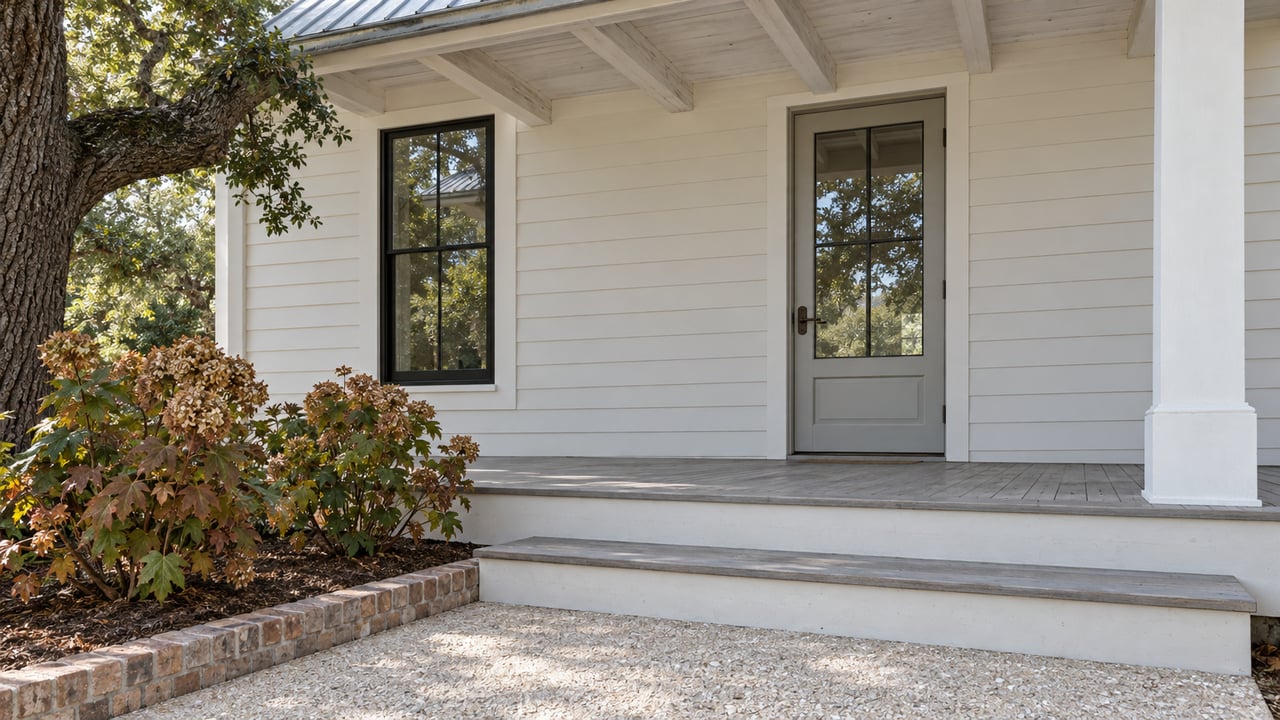
For many buyers, attached homes offer a more simplified ownership experience. While the specific maintenance structure varies by property, attached-home buyers often have less owner-managed exterior work than they would with a detached home. That can make a townhome or villa especially appealing if you want a more lock-and-leave setup.
Attached homes may include another layer of governance
The community fact sheet directs buyers to a Regime Contact Sheet for various regimes within Hilton Head Plantation. That is important because some attached properties may have a sub-community structure in addition to the master POA.
In real terms, that means you should not assume all maintenance responsibilities are the same from one attached property to another. Before you move forward, you will want to verify which tasks are handled by the regime, which belong to the owner, and which fall under the master association.
What to expect with attached living
The main tradeoff with attached homes is usually space and privacy. Shared-wall or regime-managed properties generally offer less exclusive yard area and fewer options for highly customized outdoor features than a detached home.
On the other hand, many buyers see that as a fair exchange for reduced maintenance demands. If you want to spend less time coordinating exterior upkeep and more time simply enjoying the property and the broader Hilton Head lifestyle, an attached home may be the better fit.
The biggest difference is maintenance burden
In Hilton Head Plantation, amenities are community-wide, so your home-type decision often comes down to the ownership experience itself. That is why maintenance burden should be one of the first things you evaluate.
If you enjoy managing a property, care deeply about outdoor space, and want more room to personalize over time, a single-family home may feel worth the extra responsibility. If you prefer simplicity, easier seasonal use, and fewer hands-on exterior tasks, a townhome or villa may be the more comfortable choice.
Costs to review before you buy
It is important to look beyond the purchase price. In Hilton Head Plantation, every property class pays into the master association, and the POA also collects a capital improvement transfer fee of one-quarter of one percent on real estate transactions.
According to the latest official board minutes referenced in the research, the 2025 improved-lot assessment is $1,328 if paid by cash or check, or $1,355 if paid by credit card. Unimproved lots are set at $797 by cash or check, or $813 by credit card. Since assessments can change annually, you should confirm current figures during the contract period and again before closing.
Budget items buyers should compare
As you weigh one home type against another, review:
- Master POA assessments
- The capital improvement transfer fee
- Any regime fees or attached-property documents
- Insurance costs
- Landscaping and exterior upkeep costs
- Future exterior projects that may require ARB approval
This is where a side-by-side comparison can be especially helpful. Two homes with similar list prices may feel very different once you account for upkeep and community costs.
Rental rules can affect your decision
If rental flexibility matters to you, check the rules early. Hilton Head Plantation is not a short-term-rental community. The official fact sheet states that properties subject to Class A covenants may not be rented for less than six months.
The same materials note that tenants with leases of nine months or more can access all amenities owned by HHPPOA. That makes the community a better match for personal ownership, long-term occupancy, and longer seasonal use than for short-term vacation-rental strategies.
For buyers considering a second home, that distinction matters. If your plan depends on frequent short stays by renters, Hilton Head Plantation may not align with that goal.
Questions to ask before making an offer
No matter which home type you prefer, document review is essential in Hilton Head Plantation. A home that looks ideal on day one can feel very different once you understand the approval process, maintenance obligations, and rental limits.
Before making an offer, ask for:
- The current POA assessment schedule
- The current regime contact sheet, if the property is attached
- The covenants and rental rules for that specific lot or unit
- The ARB guidelines for exterior work
These documents can help you understand not just what you are buying, but how ownership will actually feel after closing.
How to choose the right fit for you
If your vision includes more privacy, more outdoor living, and long-term flexibility, a single-family home will often be the better fit in Hilton Head Plantation. If your goal is simpler ownership with less hands-on exterior work, an attached property may give you the easier lifestyle you want.
The right answer depends on how you plan to use the home, how much upkeep you want to manage, and how important space and personalization are to you. In a community where shared amenities are already a major strength, your best choice often comes down to matching the property type with your daily routine and long-term plans.
If you want help comparing options in Hilton Head Plantation, Taylor Boatman can help you evaluate the details that matter most, from ownership structure and fees to lifestyle fit and long-term value.
FAQs
What home types are available in Hilton Head Plantation?
- Hilton Head Plantation includes detached single-family homes as well as attached options such as townhomes and condominium-style properties.
What does the Hilton Head Plantation POA maintain?
- The POA maintains shared community features like roads, lakes, lagoons, recreation facilities, and common landscape areas, but it does not maintain individual homes.
Do detached homes in Hilton Head Plantation require ARB approval for exterior work?
- Yes. Official land-use rules state that the ARB reviews many exterior and landscaping changes, including roofs, patios, pools, fences, driveways, and tree removal.
Are townhomes and villas in Hilton Head Plantation easier to maintain?
- They often involve less owner-managed exterior work than detached homes, but responsibilities can vary by regime, so you should review the specific documents for the property.
Can you use a Hilton Head Plantation home as a short-term rental?
- Properties subject to Class A covenants may not be rented for less than six months, so Hilton Head Plantation is not set up for short-term vacation-rental use.
What fees should buyers review in Hilton Head Plantation?
- Buyers should review the master POA assessment, the capital improvement transfer fee, any regime-related fees for attached properties, insurance costs, and expected exterior maintenance expenses.